



When choosing window treatments, one of the most common questions homeowners ask is: Are faux wood blinds better than real wood blinds? The answer depends on your budget, style preferences, and the environment where the blinds will be installed. In this guide, we’ll compare faux wood blinds vs real wood blinds to help you decide which option is best for your home.
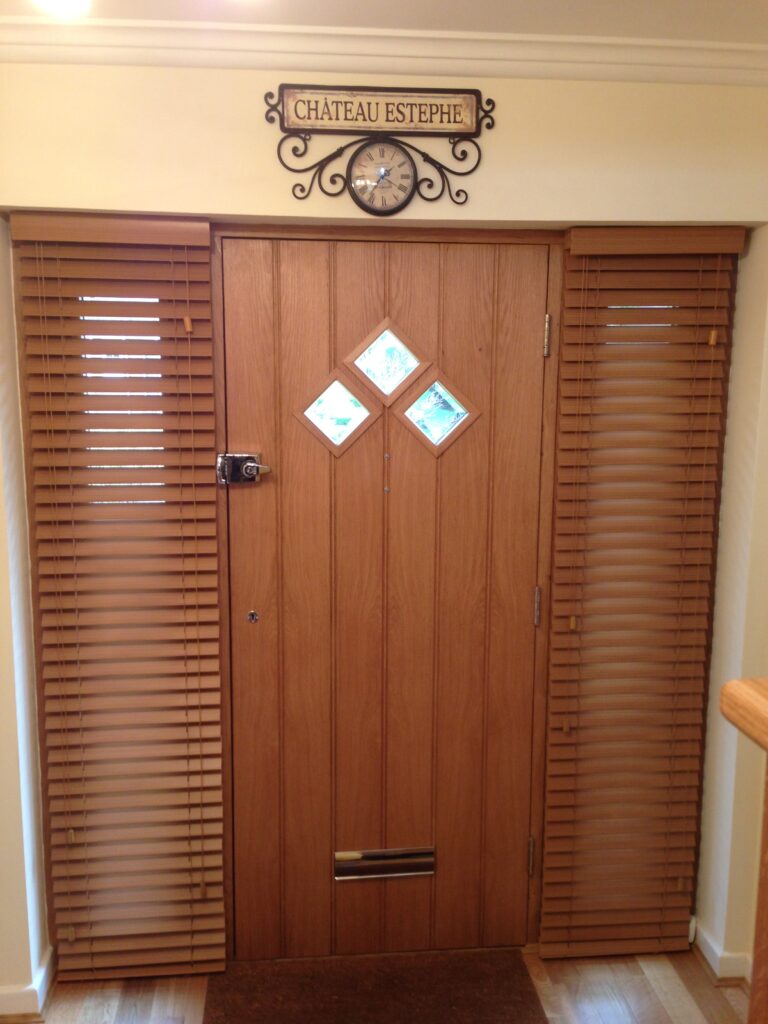
What Are Faux Wood Blinds?
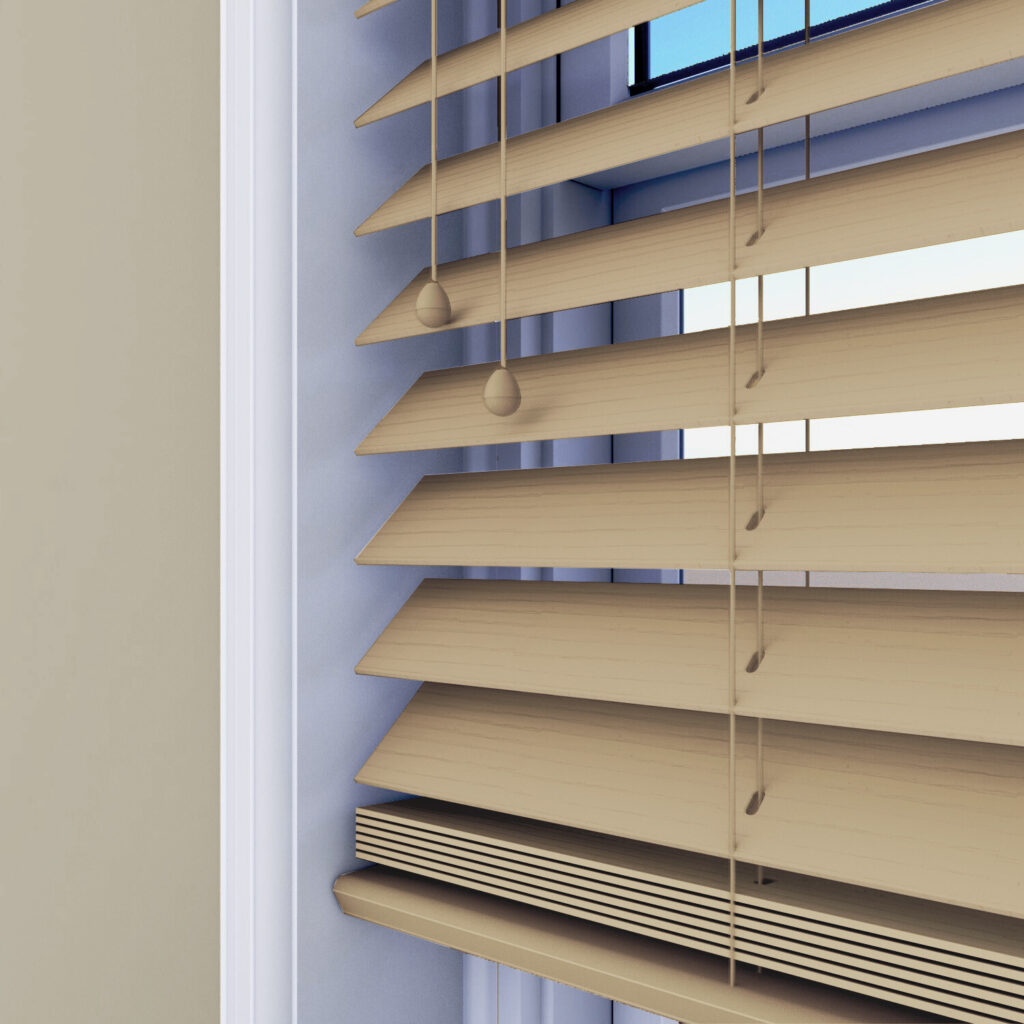
Faux wood blinds are made from durable composite materials such as PVC, vinyl, or engineered wood. They are designed to mimic the appearance of real wood while offering enhanced resistance to moisture and wear.
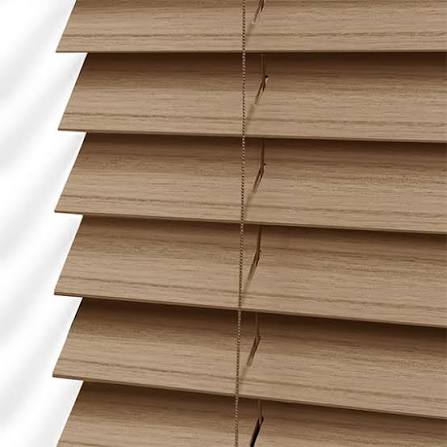
What Are Real Wood Blinds?
Real wood blinds are crafted from natural hardwoods like basswood or oak. They offer a premium, authentic look with unique grain patterns that elevate the aesthetic of any room.
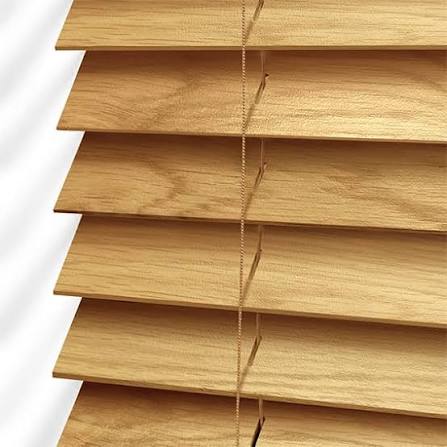
Faux Wood Blinds vs Real Wood Blinds: Key Differences
1. Durability and Moisture Resistance
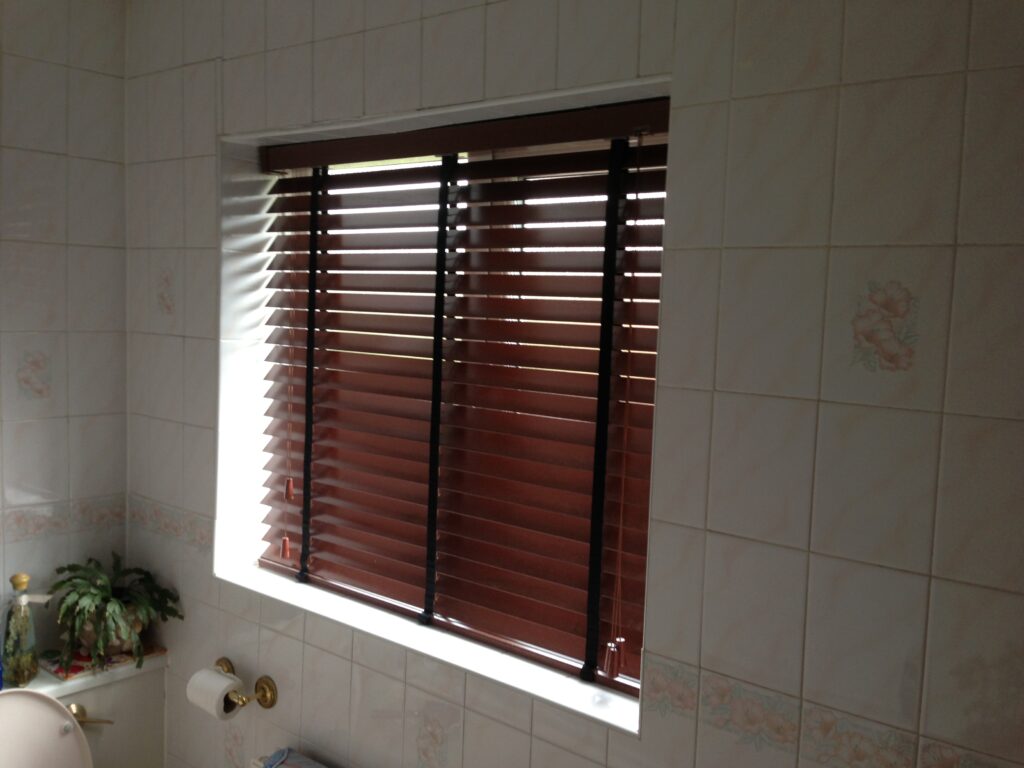
One of the biggest advantages of faux wood blinds is their durability. They are highly resistant to moisture, making them ideal for bathrooms, kitchens, and humid climates.
Real wood blinds, on the other hand, can warp or crack when exposed to high humidity or direct moisture. They are better suited for living rooms, bedrooms, and offices.
Winner: Faux wood blinds
2. Appearance and Style
Real wood blinds offer a timeless, high-end look that’s hard to replicate perfectly. The natural grain and texture provide warmth and elegance.
Faux wood blinds have improved significantly in appearance and can closely resemble real wood, but they may lack the depth and authenticity of genuine timber.
Winner: Real wood blinds
3. Cost and Affordability
If you’re working with a budget, faux wood blinds are typically more affordable than real wood blinds. They provide a similar aesthetic at a fraction of the cost.
Real wood blinds are more expensive due to the material and craftsmanship involved.
Winner: Faux wood blinds
4. Weight and Installation
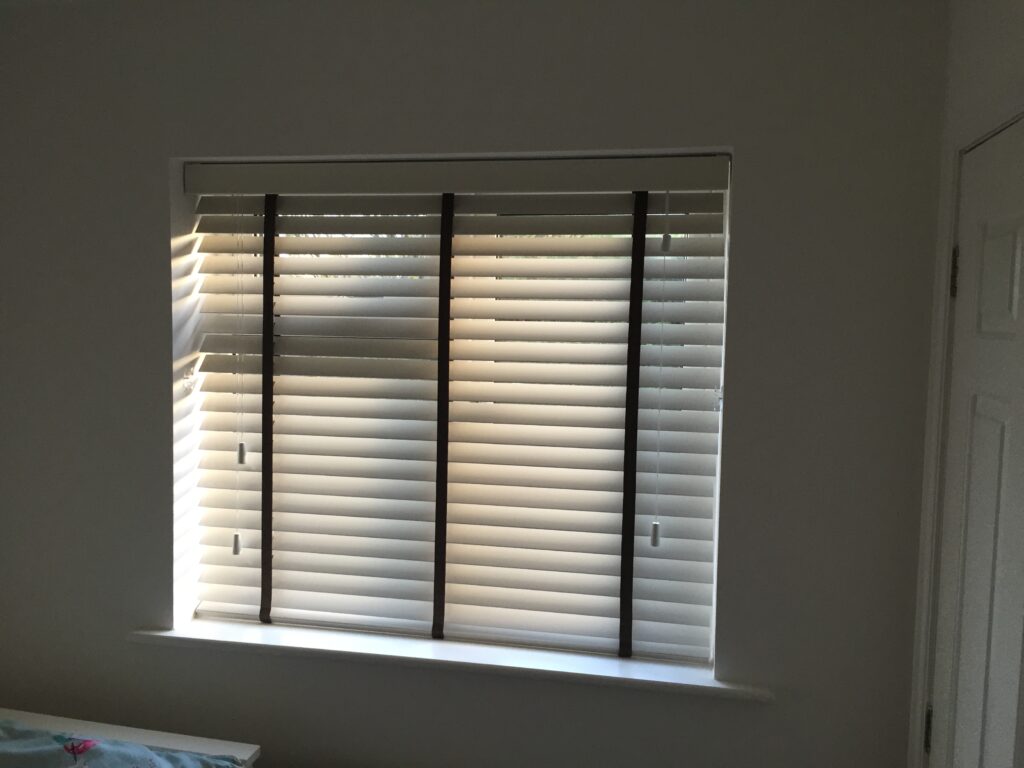
Faux wood blinds tend to be heavier than real wood blinds, especially for larger windows. This can make installation slightly more challenging, and that is the moment when to get a professional blinds installation service.
Real wood blinds are lighter and easier to operate, particularly for wide window spans.
Winner: Real wood blinds
5. Maintenance and Cleaning
Faux wood blinds are easy to clean and maintain. They can withstand regular wiping with water and cleaning products without damage.
Real wood blinds require more careful maintenance and should not be exposed to excessive moisture during cleaning.
Winner: Faux wood blinds
Which Is Better: Faux Wood or Real Wood Blinds?
So, are faux wood blinds better than real wood blinds? The answer depends on your needs:
• Choose faux wood blinds if you want durability, moisture resistance, and affordability.
• Choose real wood blinds if you value natural beauty, lighter weight, and a premium finish.
Final Thoughts
Both faux wood and real wood blinds have their advantages. Faux wood blinds are a practical, budget-friendly option that performs well in high-moisture areas. Real wood blinds, however, offer unmatched elegance and a classic look that can enhance your home’s interior design.
By understanding the pros and cons of each, you can confidently choose the best blinds for your space and lifestyle.
At Expression Blinds, we offer a free choose at home service, where we can bring the samples and discuss whether real wood or faux wood will work best for you. Please get in touch today on 0161 241 9686, or email neil@expressionblinds.co.uk.


