


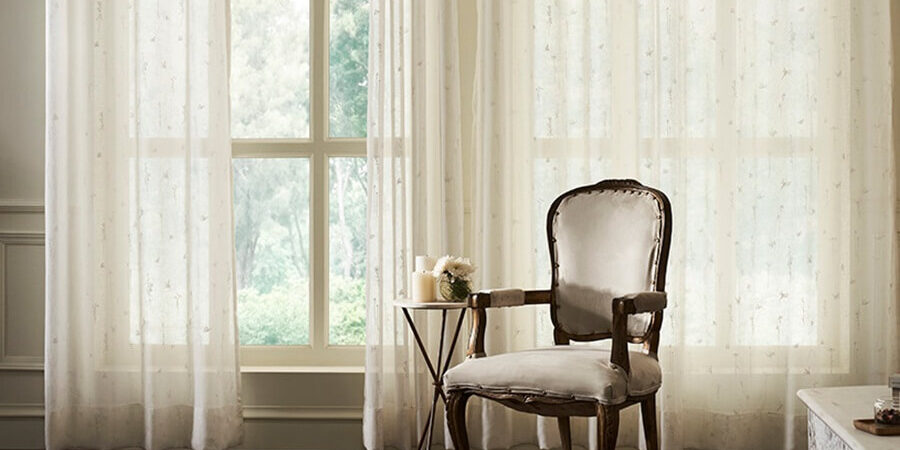
Choosing curtains is often seen as a colour decision, but the fabric you choose has a much bigger impact on how the finished result looks and performs.
The right material affects how curtains hang, how much light they filter, how well they insulate a room, and how long they’ll last. A fabric that works perfectly in a bedroom may not be the best choice for a sun-filled living room or a busy family home.
If you’re wondering about the best material for draping, the answer depends on where the curtains will be used and what you want them to achieve.
What Makes a Good Curtain Fabric?
A good curtain fabric does more than look attractive.
It should suit the room, provide the right level of privacy, and work with the amount of natural light entering the space. It’s also worth considering how much maintenance you’re willing to take on.
When comparing fabrics, think about:
- Weight and drape
- Light control
- Durability
- Ease of cleaning
- Insulation properties
- Overall appearance
The best material for curtains is usually the one that balances these factors for your particular room.
Popular Curtain Fabrics and Where They Work Best
Cotton
Cotton remains one of the most popular curtain fabrics because it’s versatile, widely available, and works in both traditional and contemporary interiors.
It offers a clean, relaxed appearance and can be paired with linings to improve insulation and privacy.
Best suited for:
- Living rooms
- Dining rooms
- Guest bedrooms
Linen
Linen creates a softer, more natural look and is often chosen for rooms where homeowners want light to filter through rather than be completely blocked.
Its relaxed texture works particularly well in modern interiors.
Best suited for:
- Living rooms
- Garden rooms
- Open-plan spaces
Velvet
Velvet is heavier than most curtain fabrics and provides excellent insulation and light control.
It’s often associated with more formal interiors but is increasingly used in contemporary homes to add warmth and texture.
Best suited for:
- Bedrooms
- Snugs
- Media rooms
Polyester
Polyester remains a practical option because it’s durable, resistant to creasing, and easy to maintain.
Modern polyester fabrics are available in a wide range of styles and finishes.
Best suited for:
- Family homes
- Rental properties
- High-traffic rooms
Silk
Silk offers a luxurious appearance and elegant drape, but it generally requires more care than other materials.
Because prolonged sunlight can affect delicate fabrics, silk often performs best when combined with suitable linings.
Best suited for:
- Formal living spaces
- Dining rooms
- Feature windows
Why Lining Matters Just As Much As Fabric
Many homeowners focus entirely on the outer fabric and overlook the importance of lining.
In reality, lining can dramatically affect how curtains perform.
Quality thermal linings for curtains help improve insulation, reduce heat loss, and create a more substantial appearance. They can also help protect decorative fabrics from prolonged exposure to sunlight.
Similarly, thermal curtain lining fabric can improve comfort throughout the year by helping rooms stay warmer during colder months and reducing heat gain during summer.
In many cases, upgrading the lining can have a greater impact on performance than changing the face fabric itself.
Choosing Fabric for Different Rooms
The best curtain fabric often depends on how the room is used.
Living Rooms
Living rooms usually benefit from fabrics that balance privacy with natural light.
Cotton and linen remain popular choices because they create a welcoming atmosphere without making the room feel too dark.
Bedrooms
Bedrooms often require greater light control and insulation.
Heavier fabrics such as velvet or lined cotton curtains can work particularly well in these spaces.
In some rooms, homeowners may also consider Roman blinds alongside curtains, especially where a cleaner and more tailored appearance is preferred.
Home Offices
Light management becomes especially important in home offices.
Fabrics that reduce glare while still allowing some natural light into the room can help create a more comfortable working environment.
Dining Rooms
Dining rooms often provide an opportunity to introduce richer textures and more decorative fabrics that complement the overall design of the space.
Natural vs Synthetic Fabrics
When choosing material for drapes, it’s helpful to understand the differences between natural and synthetic fabrics.
| Feature | Natural Fabrics | Synthetic Fabrics |
|---|---|---|
| Appearance | Soft and textured | Consistent and versatile |
| Maintenance | Often higher | Usually lower |
| Durability | Varies by fabric | Generally very durable |
| Cost | Often higher | Usually more affordable |
| Insulation | Good when lined | Good depending on construction |
Neither option is automatically better. The right choice depends on your priorities, budget, and the room itself.
What Commercial Spaces Often Consider

Commercial environments often have different requirements from residential spaces.
Factors such as durability, maintenance, fire regulations, and long-term performance often influence material selection.
This is one reason many businesses choose commercial blinds rather than traditional curtains in certain settings.
For organisations prioritising sustainability, options such as pvc-free blind fabrics for commercial spaces are becoming increasingly popular as environmental considerations play a larger role in design decisions.
Common Mistakes People Make When Choosing Curtain Fabric
One of the biggest mistakes homeowners make is choosing fabric based purely on colour.
While colour is important, factors such as sunlight exposure, room usage, and maintenance requirements often have a greater impact on long-term satisfaction.
Other common mistakes include:
- Ignoring lining options
- Choosing delicate fabrics for busy rooms
- Overlooking insulation needs
- Focusing on trends instead of practicality
Even the best material for curtains can underperform if it isn’t measured and fitted correctly. This is why many homeowners choose professional curtain installation to achieve a cleaner finish and ensure the curtains operate as intended.
Before You Make Your Final Decision
If you’re looking for a simple recommendation:
- Cotton offers versatility.
- Linen creates a relaxed appearance.
- Velvet provides warmth and insulation.
- Polyester delivers durability and easy maintenance.
- Silk offers elegance for more formal spaces.
There isn’t one universal fabric that’s perfect for every room.
The key is matching the fabric to how the space is used rather than choosing solely based on appearance.
If you’re comparing different options and want a better understanding of what might work best in your home, our our buying guide can help you explore materials, linings, and practical considerations in more detail.
Final Thoughts
The best fabric for curtains and drapery depends on what you need the finished curtains to achieve.
Some homeowners prioritise insulation. Others focus on privacy, light control, durability, or appearance.
By considering both the fabric and the lining together, you’ll be in a much better position to choose a solution that looks good and performs well for years to come.


