


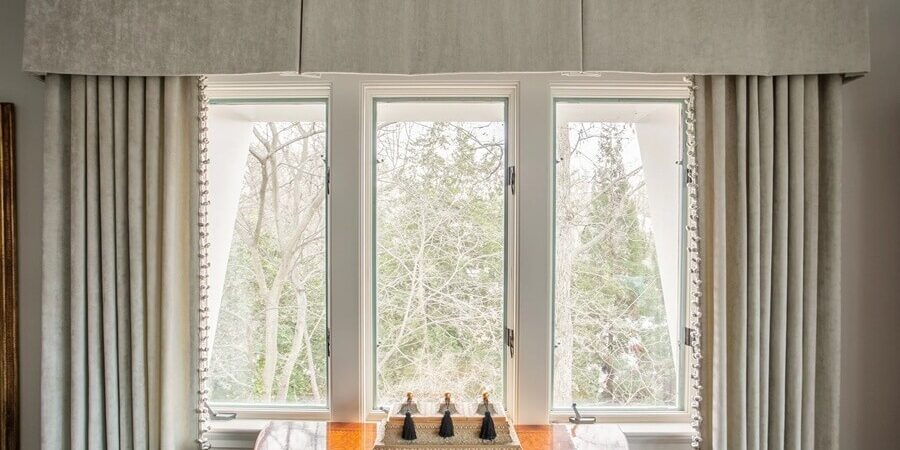
Window treatments do more than provide privacy or control light. They also influence how a room feels, helping tie together furniture, colours, and architectural details. One feature that often gets overlooked is the window valance. While some people associate valances with traditional interiors, they can still play an important role in modern homes when used thoughtfully.
If you’ve ever wondered what is a valance, where it works best, or whether it’s still worth considering, this guide explains everything you need to know before making a decision.
What Is a Window Valance?
A window valance is a decorative fabric treatment fitted across the top of a window. Its primary purpose is to soften the appearance of the window, conceal curtain tracks or poles, and add a finished look to the room.
Unlike full-length curtains, a valance doesn’t cover the entire window. Instead, it sits across the top while curtains, blinds, or shutters provide the main window covering.
Many homeowners searching what is window valance are surprised to learn that valances aren’t limited to traditional décor. With the right fabric and design, they can complement both classic and contemporary interiors.
Where Do Window Valances Work Best?
Valances aren’t suitable for every room, but they can enhance certain spaces beautifully when chosen with the overall design in mind.
1. Living Rooms
Living rooms often benefit from layered window treatments. A valance can soften large windows, hide curtain hardware, and create a more complete appearance without dominating the room.
2. Bedrooms
Bedrooms tend to suit softer fabrics and layered textures. Pairing curtains with a coordinating valance can create a more luxurious and comfortable atmosphere while maintaining practical light control.
3. Dining Rooms
Formal dining rooms are often where decorative window treatments work particularly well. A carefully chosen valance adds visual interest without making the room feel cluttered.
4. Kitchens
Kitchen valances are typically shorter and simpler than those used elsewhere in the home. They can frame the window without reducing natural daylight, making them a popular choice above sinks or breakfast areas.
Curtains, Valances, or Both?
One of the most common questions homeowners ask is whether they actually need both curtains and a valance.
The answer depends on the style you’re trying to achieve.
Curtains create privacy, improve insulation, and soften the room, while a valance acts as a finishing detail that hides fittings and adds character. Together, they create a layered appearance that’s often seen in traditional, transitional, and luxury interiors.
| Option | Best For | Appearance |
|---|---|---|
| Curtains only | Modern and minimalist homes | Clean and simple |
| Valance only | Decorative feature windows | Traditional styling |
| Curtains with valance | Formal living spaces and bedrooms | Layered, elegant finish |
If you’re considering updating your window treatments, professional advice on professional curtain installation can help ensure everything is proportioned and fitted correctly.
Are Window Valances Still in Style?
It’s a fair question because design trends have changed considerably over the years.
The answer is yes but not in every home.
Today’s window valances tend to use cleaner lines, lighter fabrics, and simpler shapes than older decorative styles. Rather than becoming the main feature, they’re often used to complement other window treatments.
Homes with traditional architecture, period features, or larger windows often benefit the most, while ultra-minimal interiors may suit simpler treatments without a valance.
Ultimately, good design isn’t about following trends, it’s about choosing window treatments that suit the character of your home.
When Might a Valance Not Be the Right Choice?
Like any design feature, valances aren’t the perfect solution for every room.
You may want to consider alternatives if:
- The room has very low ceilings.
- You prefer a minimalist interior.
- The window is unusually small.
- You want to maximise natural daylight.
- The architectural details are already a focal point.
For more unusual window layouts, exploring bay window blinds ideas may provide a more practical solution while still creating an attractive finish.
Can You Combine Valances with Other Window Treatments?
Absolutely.
Although valances are most commonly paired with curtains, they can also work alongside other window coverings depending on the room.
Roman blinds paired with a coordinating valance create a softer, more traditional appearance. Roller blinds may benefit from a simple decorative valance where exposed fittings are less desirable. In some homes, shutters and valances can also be combined successfully.
If you’re comparing different options for modern windows, it’s also worth exploring blinds for UPVC windows, which are designed specifically for contemporary frames and often require little or no drilling.
Rooms such as conservatories have completely different requirements, where practical solutions like thermal conservatory roof blinds often deliver greater comfort throughout the year than decorative treatments alone.
Things to Consider Before Choosing a Valance
Before deciding, think about how the room is used rather than simply following a design trend.
Ask yourself:
- Does the room suit a layered look?
- Will a valance improve the overall balance of the window?
- Is it covering hardware that would otherwise remain visible?
- Will it complement the existing décor?
- How much natural light do you want to keep?
Taking measurements carefully and considering the proportions of the room often makes a bigger difference than the fabric itself.
Budgeting for Your Window Treatment
The overall cost depends on several factors, including the size of the window, the fabric selected, the complexity of the design, and whether additional curtains or blinds are included.
Rather than focusing solely on price, it’s worth comparing materials, workmanship, and installation quality before making a decision.
Our price guide provides a useful starting point if you’re planning a new window treatment project.
Final Thoughts
Window valances may not be the right choice for every home, but they’re certainly far from outdated. When selected thoughtfully, they can soften a room, create a more finished appearance, and complement both traditional and modern interiors.
The key is choosing a design that works with your windows, your décor, and the way you use each room every day.
If you’d like personalised advice, you can book an appointment with our team to discuss the best window treatment options for your home.
FAQs
Are window valances outdated?
Not at all. While some older styles may feel dated, modern valances with simple designs and contemporary fabrics remain popular in many homes.
Can you use a valance without curtains?
Yes. A valance can be installed on its own as a decorative feature, although it’s most commonly paired with curtains or blinds.
What’s the difference between a valance and a pelmet?
A valance is usually made from fabric, whereas a pelmet is a structured frame, often constructed from wood or MDF and covered with fabric if desired.
Can valances be used with blinds?
Yes. Depending on the style of blind and the room, valances can be combined with Roman blinds, roller blinds, and other window treatments.
Do window valances make a room look smaller?
Not necessarily. A well-proportioned valance can enhance a room, but oversized or heavily gathered designs may make smaller spaces feel more enclosed.
Are window valances suitable for modern homes?
Yes. Contemporary valances use cleaner shapes and simpler fabrics, making them suitable for many modern interiors while adding subtle visual interest.


