


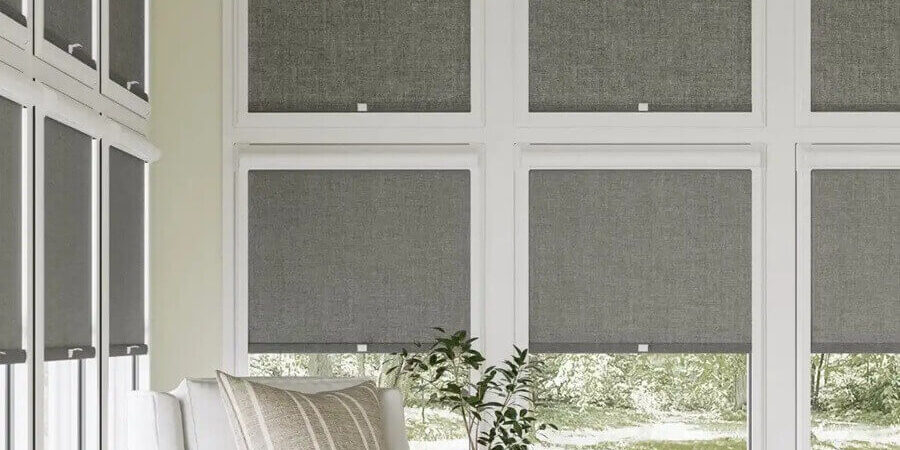
If you’ve just had new uPVC windows fitted, the last thing you want to do is start drilling holes into them.
It’s one of the most common questions homeowners ask: How to fit blinds to uPVC windows without drilling? The good news is, yes, it’s absolutely possible. And in many cases, it’s the smarter option, but let us explain it to you for a better idea.
Can You Put Blinds on uPVC Windows Without Screws?
Yes, you can. Traditional blinds are usually fixed using screws drilled into the frame or wall. However, drilling into uPVC can:
- Void window warranties
- Damage internal reinforcement
- Cause long-term frame issues
- Leave permanent marks
That’s why no-drill blinds have become so popular across UK homes. The modern systems are designed specifically for uPVC frames and attach without damaging them.
The Best No-Drill Options for uPVC Windows
There are several reliable options available.
1. Clip-On Systems
These fit neatly between the glass and rubber beading of the window frame. No screws. No glue. No damage.
A great example of this design is intu micro blinds, which are fitted directly to the window without drilling and move with the window when opened.
2. Perfect Fit Style Frames
These slot into the frame and hold the blind in place securely without penetrating the uPVC.
3. Tension Rod Blinds
This is ideal for smaller windows, tension rods sit within the recess using pressure rather than fixings.
4. Adhesive Brackets
Certain lightweight blinds can be mounted using specialist adhesive pads, though this option works best on smaller windows.
When No-Drill Blinds Work Best?
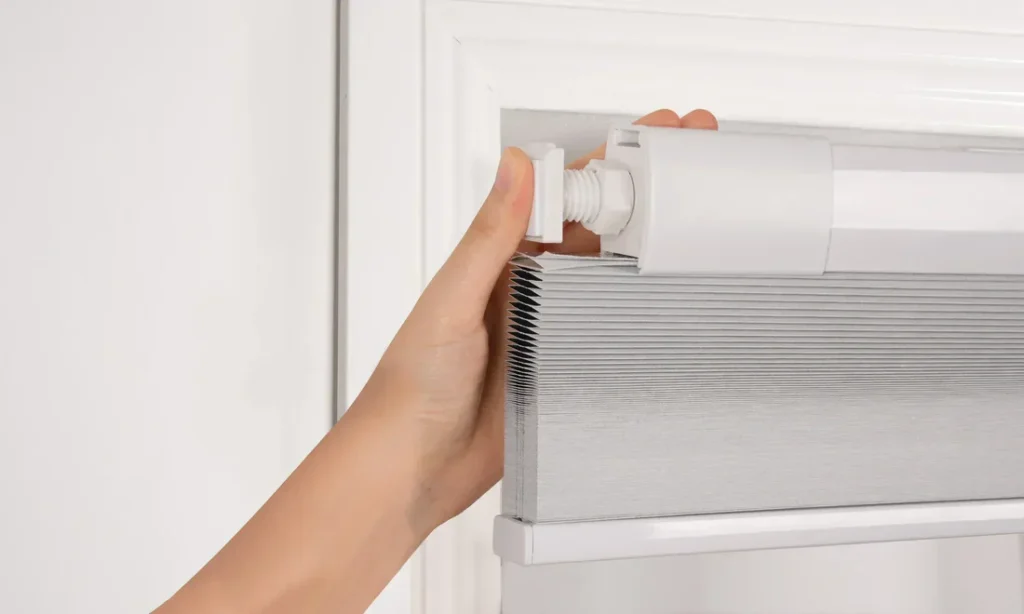
No-drill solutions are particularly useful in:
- New-build homes
- Rental properties
- Conservatories
- Recently installed uPVC windows
For conservatories especially, many homeowners want to avoid compromising frames. If you’re considering heavier options like wooden blinds for conservatory windows, it’s important to check weight and suitability first.
Lightweight systems tend to perform best in no-drill setups.
Are No-Drill Blinds Secure?
This is one of the biggest concerns. Quality no-drill blinds are designed to sit firmly within the frame. When measured correctly, they are stable and reliable for everyday use.
However, very large or heavy blinds may require additional support. That’s why measuring accurately is critical.
Can You Use No-Drill Blinds in Other Areas?
Yes, you can use no-drill on other areas and not just on windows.
For example, they’re often used as blinds for wardrobe doors where drilling into fitted units isn’t ideal. They’re also suitable for smaller bathroom windows, office spaces, and secondary glazing setups.
The key is choosing the right system for the space.
How Much Do No-Drill Blinds Cost?
Pricing varies depending on:
- Size
- Blind type
- Material
- Customisation
In general, made-to-measure no-drill blinds may cost slightly more than basic off-the-shelf options, but they protect your windows and provide a cleaner finish.
Long term, avoiding frame damage is often worth the difference.
How to Measure uPVC Windows Correctly?
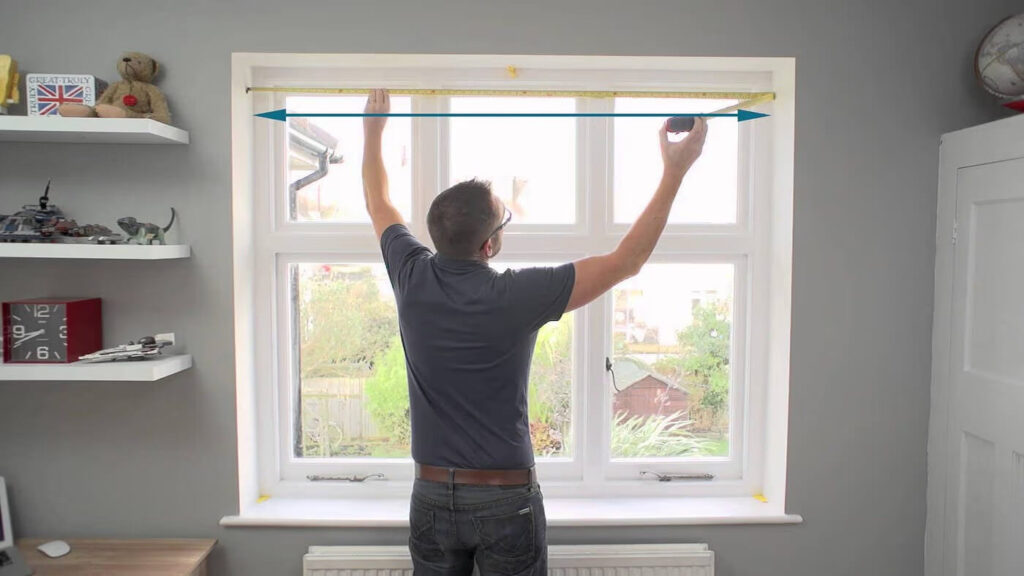
Even with no-drill systems, accurate measuring matters. You’ll need to:
- Measure glass width and height precisely
- Account for rubber beading
- Confirm recess depth
- Ensure handles won’t interfere
Small errors can affect how well the blind fits and operates. If you’re unsure at this stage, it may be time to pause and reassess.
When DIY Isn’t the Best Option
No-drill blinds are DIY-friendly but not always risk-free.
Complicated window shapes, bay windows, tilt-and-turn mechanisms or multiple large panes can make installation trickier than expected. In those situations, professional blind installation ensures correct fitting without trial and error.
It also guarantees the blinds sit perfectly level and operate smoothly from day one.
Choosing the Right Style for uPVC Windows
Not every blind type works equally well with no-drill systems. Venetian, pleated and roller blinds are commonly available in frame-mounted designs. Roman blinds, however, usually require more support.
If you’re considering fabric styles for doors or larger glazing, reviewing a Roman blinds buying guide can help you understand which options suit your window type.
The right style makes a big difference in both appearance and practicality.
Still Unsure What Would Suit Your Windows?
Choosing blinds isn’t just about fitting, it’s about light control, privacy, style and durability.
If you need ideas before choosing a blind, it’s worth looking at how each room is used. Bedrooms require different solutions than kitchens or conservatories.
Thinking about the function first makes the decision far easier.
Speak to Someone Who Knows
Every window is slightly different. Frame depth, glazing type and usage all matter.
If you’d prefer guidance tailored to your home, you can always contact Expression Blinds for straightforward advice.
We help homeowners across Manchester and throughout the UK choose the right solution without damaging their windows.
Ready to Get It Measured Properly?
If you’d rather avoid guesswork entirely, you can call 0161 241 9686 to request your FREE appointment and have your windows professionally measured.
That way, you know the blinds will fit securely without drilling, without damage and without stress.
Fitting blinds to uPVC windows without drilling is not only possible, but it’s often the better choice. The key is selecting the right system, measuring accurately and knowing when to get advice. If done properly, you are directly protecting your windows and getting a clean, secure finish that looks built-in from the start.
FAQs
Can you drill into uPVC windows?
Technically yes, but it’s not recommended. Drilling can damage the frame and may void warranties.
What blinds are best for uPVC windows?
Perfect Fit, Intu-style and other frame-mounted systems are ideal because they attach without screws.
Do no-drill blinds damage frames?
When fitted correctly, no. They are designed specifically to avoid damage.
Are no-drill blinds suitable for conservatories?
Yes, especially lightweight systems. Heavier blinds should be assessed carefully.
Can landlords install blinds without damaging property?
Yes. No-drill systems are particularly suitable for rental properties.


