


Window blinds are designed to last for years, but there often comes a point when they need to be taken down. Whether you are redecorating, replacing damaged fittings, cleaning around the window area, or upgrading to a newer style, knowing how to remove the blinds properly can help you avoid unnecessary damage to your walls or window frames.
The removal process can vary depending on the type of blind installed. Roller blinds, Roman blinds, Venetian blinds, and no-drill systems all use slightly different fittings and brackets. While some can be unclipped within seconds, others require a bit more care and preparation.
If you have ever wondered how do you remove window blinds safely without damaging the surrounding area, this guide covers the most common blind types found in UK homes and explains the safest way to take them down.
Things to Check Before Removing Your Blinds
Before you begin taking down blinds, it helps to identify the fitting system first. Many homeowners rush straight into pulling the blind away from the brackets, only to realise later that hidden clips or locking mechanisms were holding it in place.
Start by checking:
- Whether the blind is screw-fixed or clip-in
- If the brackets are visible or concealed
- Whether the blind is mounted inside or outside the recess
- If the blind feels spring-loaded or tension fitted
You should also gather a few basic tools beforehand, including:
- A screwdriver
- A stable step ladder
- A small container for screws
- Protective gloves if handling metal fittings
If your blinds are attached to uPVC windows, it is important to remove them carefully to avoid marking or cracking the frame. This is especially relevant for homeowners researching fixing blinds to UPVC windows and wanting to preserve the condition of modern glazing systems.
How to Remove Roller Blinds?
Roller blinds are among the easiest blinds to remove, although the process can differ slightly depending on the mechanism used.
For chain-operated blinds, start by rolling the blind fully upwards. This reduces tension and makes removal easier. Most roller blinds sit inside two side brackets. One side typically contains a spring-loaded pin, while the other secures the control mechanism.
Gently lift the blind towards the spring-loaded side first. Once the pin compresses slightly, the opposite side should lift free from the bracket.
If you are removing older or heavier roller blinds, avoid forcing the tube out aggressively as this can bend the mechanism or damage the bracket itself.
After removing the blind, unscrew the brackets if they are no longer needed.
How to Remove Venetian and Wooden Blinds?
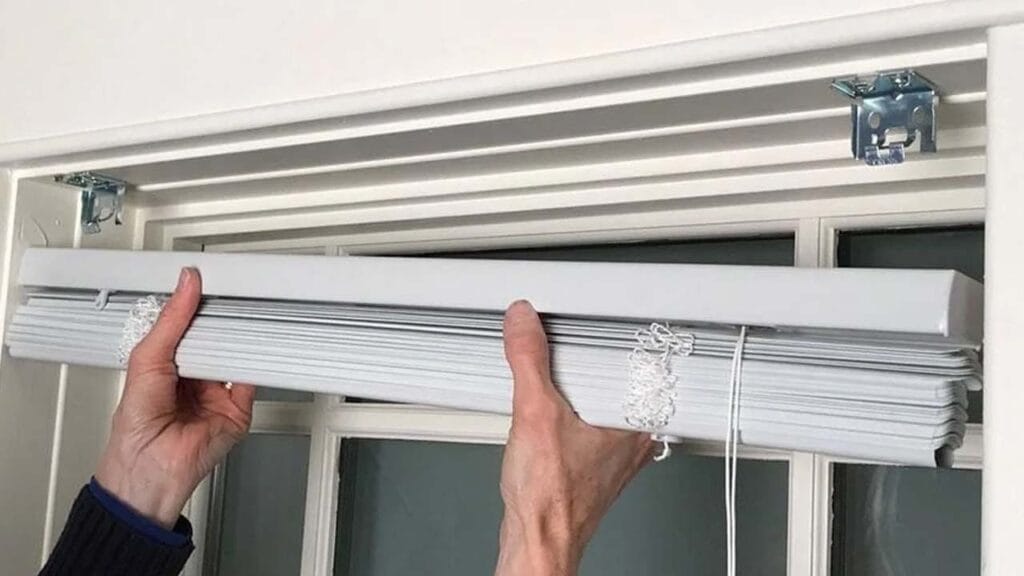
Venetian blinds and wooden blinds often use concealed brackets positioned behind the headrail. These brackets usually contain small hinged clips that lock the blind into place.
To remove them safely:
- Fully raise the slats
- Locate the hidden retaining clips
- Open the clips using your fingers or a flat screwdriver
- Carefully lift the headrail forwards and away
Wooden blinds can be heavier than expected, particularly larger installations. It is always safer to support the blind evenly during removal rather than attempting to release one side first.
Many homeowners researching how to disassemble blinds struggle with hidden clips because they are often difficult to see behind decorative valances or fascia panels.
If your blinds are similar to traditional office wooden blinds, take extra care when lowering the headrail to avoid damaging the slats or cords.
How to Remove Roman Blinds?
Roman blinds are typically attached using either Velcro strips or clip-in headrails.
For Velcro-mounted styles:
- Fully raise the blind
- Hold the fabric close to the headrail
- Gently peel the fabric away section by section
Avoid pulling too quickly as this can damage the stitching or fabric folds.
For cassette or track-mounted Roman blinds, locate the retaining clips beneath the rail. Press the clips carefully while supporting the blind with your other hand.
If you are wondering how do I remove blinds without damaging the fabric, patience is important. Roman blinds often require slower handling than standard roller systems.
Removing No-Drill and Perfect Fit Blinds
Modern no-drill systems have become increasingly popular because they avoid permanent damage to walls and frames. These blinds are usually clipped directly onto the window frame or secured using tension systems.
To remove them:
- Open the window fully
- Locate the retaining clips
- Gently release each clip one at a time
- Support the frame while removing pressure evenly
Homeowners often search for blinds that attach to window frame systems because they offer a cleaner appearance and simpler installation process.
The good news is that these fitted systems are usually easier to remove than traditional screw-fixed blinds, provided you avoid forcing the clips abruptly.
How to Remove Blinds from Tilt and Turn Windows?
Tilt and turn windows require slightly more care during blind removal because of the opening mechanism.
Before removing the blind:
- Ensure the window is fully secure
- Avoid leaning excessive weight on the frame
- Check whether the blind moves with the sash itself
Many fitted tilt and turn window blinds use discreet clip-in systems designed specifically for inward-opening windows.
If the blind seems stuck, avoid twisting the frame or pulling sharply. Most systems release by easing the side clips gradually rather than applying force directly to the blind.
Common Mistakes to Avoid When Taking Down Blinds
One of the biggest mistakes homeowners make when uninstall blinds systems is rushing the process.
Common problems include:
- Pulling blinds away forcefully
- Losing screws and fittings
- Twisting brackets
- Damaging plaster around the recess
- Bending headrails accidentally
In some cases, repeated improper installation can even lead to blinds falling down over time due to weakened fittings or damaged brackets.
Taking a few extra minutes to inspect the mechanism properly usually prevents most removal issues.
Should You Replace Old Blinds?
If your blinds are faded, difficult to operate, or no longer suit the room, removal can also be a good opportunity to upgrade your window coverings altogether.
Modern privacy blinds now offer improved light control, cleaner aesthetics, and better compatibility with contemporary uPVC windows and glazed extensions.
For homeowners redecorating or modernising their interiors, replacing outdated blinds can make a noticeable difference to the overall appearance of a room.
What to Do After Removing Window Blinds
Once the blinds have been removed, inspect the surrounding area carefully. You may need to:
- Fill old drill holes
- Clean dust from the recess
- Touch up paintwork
- Measure for replacement blinds
If you are considering new window coverings, reviewing a proper buying guide beforehand can help you choose the right style, fitting method, and level of light control for your space.
When Professional Help May Be Worth It?
While most standard blinds can be removed without difficulty, larger or more specialised systems may require professional assistance.
This can include:
- Motorised blinds
- Conservatory roof blinds
- Extra-wide installations
- Commercial window systems
- High-level fittings
If you are unsure about removing older or fitted blinds safely, the team at Expression Blinds can help identify the best approach for your window setup and replacement options.
For personalised recommendations or installation support, you can always Call for a free advice before starting the removal process yourself.


