


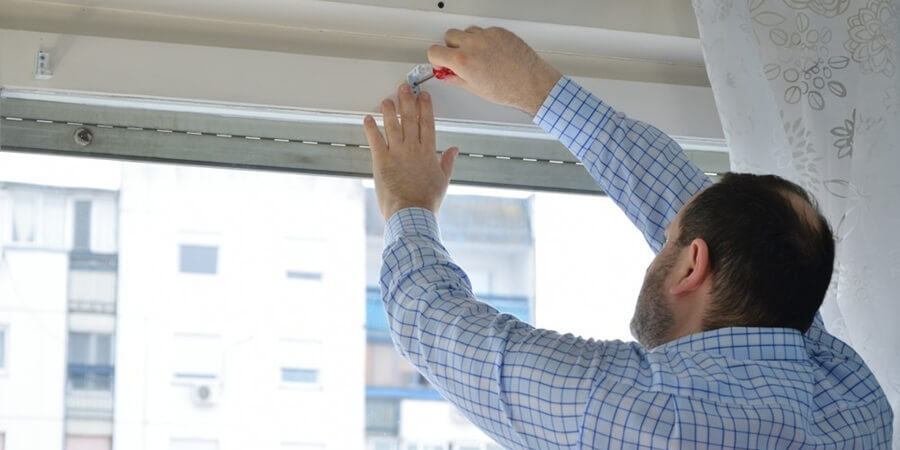
If your blinds keep falling down, you’re not alone. It’s one of the most common issues homeowners run into, and it usually points to something being slightly off rather than a complete failure.
In most cases, blinds fall because of poor fitting, loose brackets, weak wall fixings, or simply using the wrong type of blind for the space. The good news is that once you understand the cause, it becomes much easier to fix properly.
What’s the Most Common Reason Blinds Fall Down?
When people ask, “why do my blinds keep falling down?”, the answer is usually straightforward — the brackets are not holding securely.
Over time, screws can loosen, especially if they were fitted into plaster without proper support. This is why you’ll often notice blinds falling off brackets rather than the blind itself breaking.
Even a small amount of movement can cause the blind to shift slightly every time you use it, eventually leading to the blind slipping or dropping completely.
It might be the Wall, not the Blind
A lot of the time, the issue isn’t the blind at all — it’s what it’s fixed into.
If the screws are sitting in weak plaster or worn drill holes, they won’t hold for long. You might tighten them once or twice, but the problem keeps coming back because the base is no longer strong enough.
In these situations, switching to blinds that attach to the window frame can be a more reliable option, especially for uPVC windows where traditional wall fixings have already failed.
Different Blinds Fail in Different Ways

Not all blinds behave the same when something goes wrong.
A roller blind keeps falling down when the internal mechanism wears out or loses tension. You might also notice that the blind won’t stay at the height you set or drops suddenly.
With vertical systems, the issue is often smaller components. This is why vertical blinds keep falling out of place, usually due to worn clips or carriers rather than the entire blind failing.
Sometimes, the problem is more obvious — the blind keeps popping out of the bracket, which usually means the bracket is bent, damaged, or no longer gripping properly.
Heat, Moisture and Large Windows make things Worse
Blinds fitted in certain areas tend to experience more problems over time.
Conservatories, kitchens, and bathrooms expose blinds to heat, moisture, and constant temperature changes. These conditions can affect both the fittings and the blind mechanism itself.
That’s why purpose-built options like thermal conservatory roof blinds are often a better long-term solution than trying to adapt standard blinds for these environments.
When a Quick Fix Works and When it Doesn’t?
Sometimes the fix is simple. Tightening a screw or repositioning a bracket can solve the issue if the damage is minor.
But if your blinds falling down from the wall keeps happening again and again, it’s usually a sign of a deeper problem. Reusing the same holes or fittings rarely solves it for long.
This is especially true if the blind was not measured or fitted correctly in the first place.
Signs it’s Time to Replace instead of Repair
There comes a point where repairing the blind is no longer worth it.
If you notice sagging, uneven rolling, or repeated slipping, the blind itself may be worn out. A tired mechanism is one of the main reasons people struggle with how to fix blinds that keep falling down, only to find the issue keeps returning.
In spaces like conservatories, upgrading to something more suitable, such as roller blinds for a conservatory, can prevent the same problem from happening again.
Why Proper Fitting Makes All the Difference?
The way a blind is installed matters just as much as the blind itself.
Correct measurements, the right type of brackets, and secure fixings all play a role in how well the blind performs over time. Without that, even a high-quality blind can fail early.
This is why many homeowners turn to blinds fitting services after dealing with repeated issues from DIY installations.
What to do if Your Blinds Keep Falling Down?
If you’re dealing with this problem, it helps to go step by step:
- Check if the brackets are loose or damaged
- Inspect the screw holes for wear
- Test whether the blind sits firmly in place
- Look for signs of a worn mechanism
If the issue keeps coming back, it may be time to get a proper assessment.
At Expression Blinds, we often see cases where a small fitting issue has been causing repeated problems for months.
When to Get Professional Help?
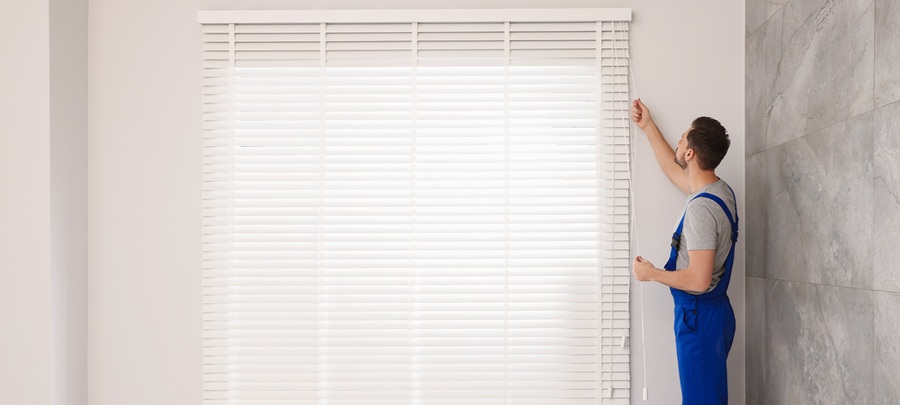
If you’ve already tried tightening and refitting but nothing lasts, it’s usually more effective to have it done properly.
A reliable professional blinds installation ensures the blind is matched to the wall, window type, and room conditions, reducing the chance of future problems.
For larger spaces or workplaces, properly fitted commercial blinds are also designed to handle more frequent use without failing.
Looking for a longer-term Solution?
If your current blinds are beyond repair, replacing them with the right setup can save time and frustration.
You can order your blinds online with accurate measurements, or choose a fully fitted option depending on what suits your space.
For modern homes, features like Alexa-compatible blinds are also becoming more common, offering convenience alongside improved functionality.
FAQs
Why do my blinds keep falling down?
Usually, because the brackets are loose, the wall fixings are weak, or the blind is not suited to the window.
Why does my roller blind keep falling down?
This often happens when the internal mechanism loses tension or the blind is not sitting securely in the bracket.
Can blinds fall because of weak walls?
Yes, weak plaster or worn drill holes are one of the most common causes of blinds falling.
Should I repair or replace blinds that keep falling down?
If the issue is minor, a repair may work. If it keeps happening, replacement is usually the better option.
Final Thought
Blinds don’t usually fall down without a reason. Whether it’s loose fittings, worn parts, or the wrong type of blind, there’s always an underlying cause.
Fixing that root issue is the key to making sure it doesn’t keep happening again.
If you’re unsure what’s causing the problem, it’s worth getting it checked properly — you can always call 0161 241 9686 for a free appointment and get clear advice on the best next step.


