


Blinds are one of those things you don’t think about until they stop working properly. They might still look fine at a glance, but if they’re sticking, sagging, or not closing as they should, it raises the question, how long do blinds last in a typical home?
The truth is, there isn’t a single answer. The lifespan of blinds depends on how they’re used, the environment they’re in, and how well they were fitted in the first place. Knowing when to replace blinds can save you from ongoing frustration and repeated repairs.
How Long Do Blinds Typically Last?
On average, most blinds last between 5 and 10 years. However, the actual lifespan of blinds can vary depending on the type:
- Roller blinds: around 5–10 years
- Vertical blinds: 5–8 years
- Wooden blinds: 7–12 years
- Fabric blinds: often shorter in high-use areas
If you’re wondering how long blinds should last, it really comes down to how often they’re used and the conditions they’re exposed to.
Blinds in a spare room may last much longer than those in a busy kitchen or living space.
What Affects the Lifespan of Blinds?
Several factors influence how long your blinds will last:
- Material Quality: Cheaper materials wear out faster
- Daily Use: Frequent opening and closing adds strain
- Sun Exposure: Can fade fabrics and weaken components
- Moisture: Especially in kitchens and bathrooms
- Installation Quality: Poor fitting leads to early damage
A well-fitted blind will always last longer. Blinds that attach to the window frame often reduce unnecessary movement, helping to minimise wear over time.
Signs It’s Time to Replace Your Blinds
Blinds don’t usually fail overnight. There are clear signs that tell you it’s time to act.
Look out for:
- Fabric fading or discolouration
- Difficulty opening or closing
- Slats bending or breaking
- Blinds sitting unevenly
- Mechanisms becoming unreliable
These are common signs blinds need replacing, especially if the problems keep coming back after minor fixes.
If you’re constantly adjusting or repairing them, it’s often a sign that replacement is the better option.
Repair vs Replace: What Makes More Sense?
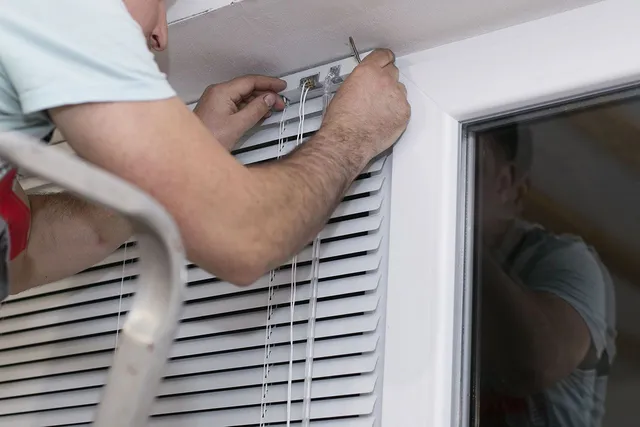
In some cases, a quick repair can extend the life of your blinds. Tightening a bracket or replacing a clip may solve a small issue.
However, if the same problem keeps returning, repairs can become a temporary fix rather than a solution.
Cost also plays a role here. When comparing ongoing repairs with replacement, it helps to understand the overall blinds fitting cost, as investing in a proper setup can often save money in the long run.
How Different Blind Types Wear Over Time
Not all blinds wear out in the same way.
1. Roller Blinds
The fabric may fade, and the internal mechanism can lose tension over time.
2. Vertical Blinds
These tend to fail at the clips or slats first, especially in high-use areas.
3. Wooden Blinds
Slats may warp or lose alignment, particularly in humid conditions.
For wider openings or modern spaces, Panel blinds are often used, but they also require proper alignment to avoid uneven wear.
Do Certain Windows Affect How Long Blinds Last?
Yes, the type of window can make a difference.
Bay windows often look great, but they can be tricky when it comes to blinds. Because they involve multiple angles and sections, the blinds are used more frequently and tend to move independently. This added movement can put extra strain on fittings over time, especially if the blinds weren’t designed specifically for that layout. Choosing the right solution for bay window blinds helps reduce uneven wear and keeps everything aligned for longer.
Similarly, tilt and turn windows require blinds that can adapt to frequent movement. Poorly matched options can wear out faster, so selecting appropriate blinds for tilt and turn windows helps improve longevity.
How to Make Your Blinds Last Longer?
While all blinds eventually wear out, you can extend their lifespan with a few simple habits:
- Clean them regularly to prevent buildup
- Operate them gently without forcing the mechanisms
- Avoid pulling cords or chains too quickly
- Keep them dry in high-moisture areas
The way a blind is designed can also affect how long it lasts. Systems that are built to sit neatly within the window frame tend to move less and stay more stable during everyday use. For example, intu micro blinds are fitted directly onto the frame, which means there’s less strain on brackets and fewer chances of misalignment over time. This kind of setup can help reduce gradual wear compared to more loosely fitted options.
Why Proper Fitting Makes a Big Difference?
One of the most overlooked factors is installation.
Blinds that are not fitted properly can loosen over time, leading to uneven wear, misalignment, and eventual failure. Even high-quality blinds won’t last if they’re not installed correctly.
In many cases, the problem isn’t the blind itself but how it was installed. If measurements are slightly off or fixings aren’t secure, even a good-quality blind can wear out faster than expected. This is why some homeowners choose fitting-only services when replacing or upgrading their blinds, ensuring everything is properly aligned and securely fitted without having to start from scratch.
If you want to see how proper fitting impacts long-term performance, it’s worth looking at a case study of our blinds fitting services, where correct installation made a noticeable difference in durability and overall finish.
When Replacement Becomes the Better Option?
There comes a point where replacing your blinds is the more practical choice.
If your blinds are:
- More than 5–10 years old
- Frequently breaking or slipping
- No longer providing proper coverage
Then, replacing them can improve both function and appearance.
New blinds also offer better materials, smoother operation, and a more precise fit, which all contribute to a longer lifespan.
What Should You Do Next?
If you’re unsure whether to repair or replace your blinds, the best approach is to assess their condition properly.
Look at how they operate, check for visible wear, and consider how often you’ve had to fix them recently.
If you need a clearer idea of what’s best for your home, you can always call 0161 241 9686 for a free appointment and get straightforward advice based on your specific setup.
FAQs
How long do blinds last in a typical home?
Most blinds last between 5 and 10 years. The exact lifespan of blinds depends on usage, material quality, and how well they were installed.
When should you replace blinds?
You should consider when to replace blinds if they become difficult to use, show visible wear, or no longer provide proper coverage or function.
How often should blinds be replaced?
There’s no fixed rule, but many homeowners replace blinds every 5–8 years, depending on wear and daily use.
Do blinds wear out over time?
Yes, all blinds wear out eventually. Mechanisms weaken, fabrics fade, and components can break with regular use.
Is it better to repair or replace blinds?
Minor issues can often be repaired, but if problems keep recurring, replacing the blinds is usually the more reliable and cost-effective option.


